News
Domestic Violence Awareness Month
October is Domestic Violence Awareness Month (DVAM). Each year since 1987, this national observance gathers us to mourn those lost to domestic violence, celebrate and honor the resilience of those who survive it, and connect our communities in efforts to prevent and respond to domestic violence.
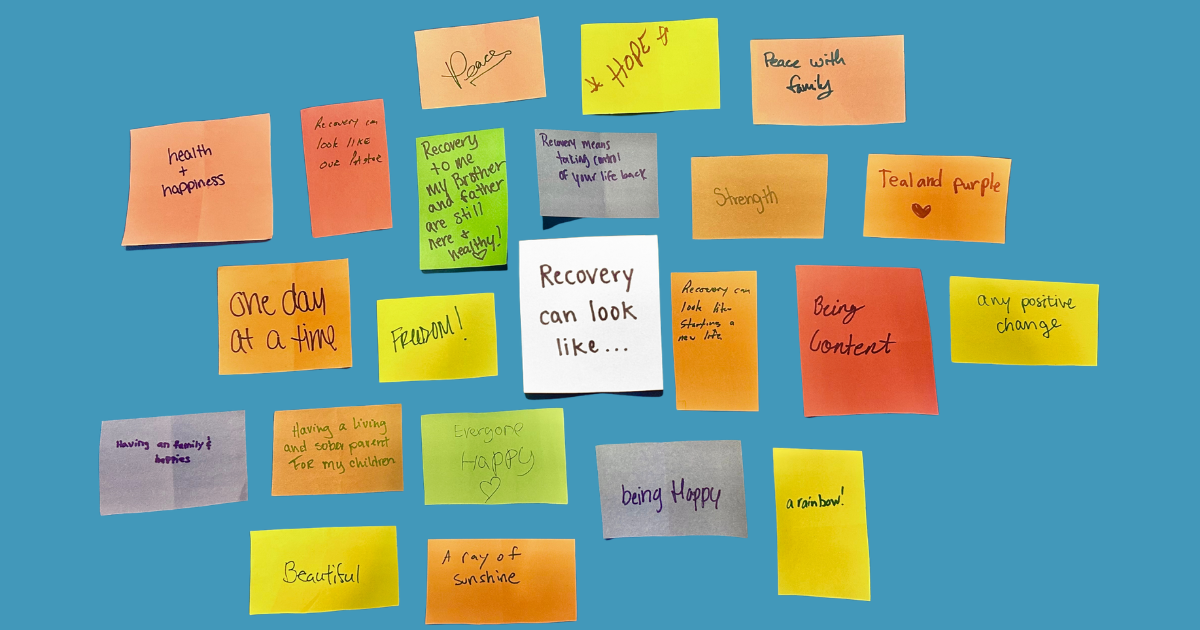
International Recovery Day: Recovery Can Look Like All of Us
Today is International Recovery Day. Every year, September 30th unites people across the globe in celebrating recovery, promoting a variety of pathways to recovery, and working to challenge stigma in all its forms. As we recognize International Recovery Day this year, let’s celebrate the voices and faces of recovery right here at home.
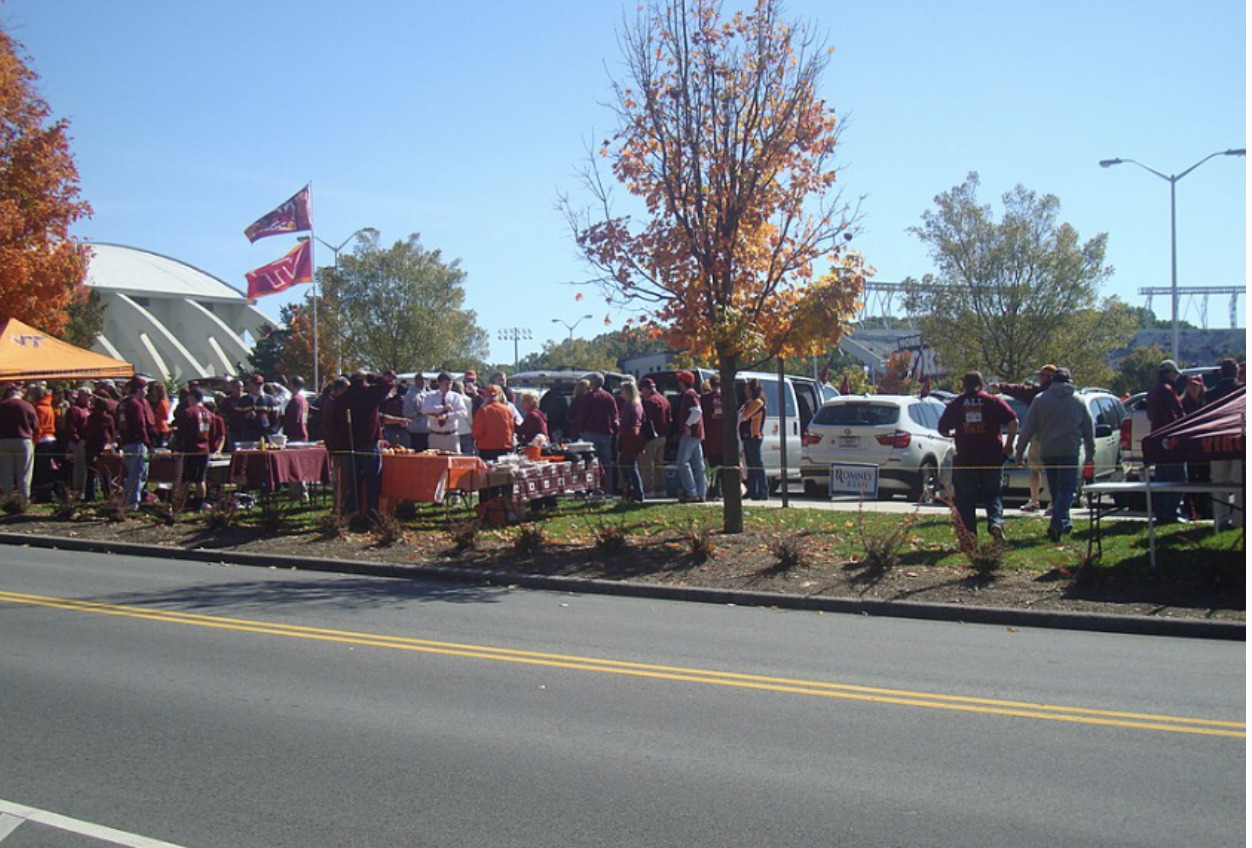
Tailgating: Try it the S.M.A.R.T. Way!
Football season is always a great time, it brings friends, family, and fans together to celebrate their team, eat good food, and make memories. It’s time to break out the grill and bring on the hamburgers, hot dogs, wings, and all your favorite game-day foods. But a tailgate is only truly fun when it’s safe for you and the people around you.

Teen Mental Health Month- an Opportunity to Connect
Being a teenager has never been easy, but today's youth are balancing school, sports, jobs, social media, friendships, family responsibilities, and planning for the future. It's a lot for anyone to handle. Feeling stressed from time to time is normal. However, when sadness, worry, or hopelessness begin to interfere with everyday life, we must pay attention.

World Hepatitis Day 2026: Breaking Down Barriers to Better Heal
Every year on July 28, communities around the world recognize World Hepatitis Day by raising awareness about viral hepatitis and encouraging people to get the information, testing, and care they need.
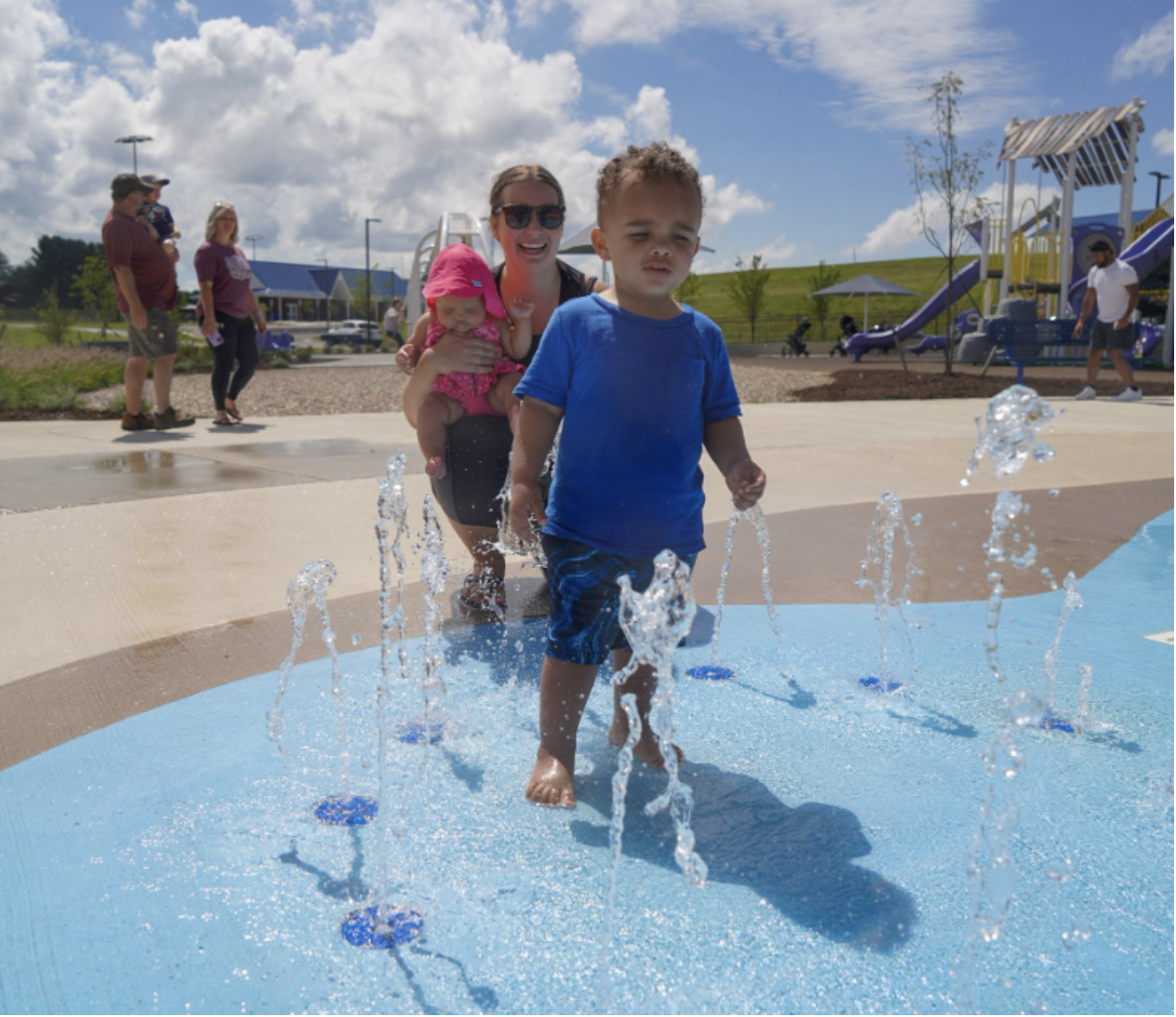
National Play Day- Let Your Inner Child Shine
Today is National Play Day and we're encouraging you to do something that often gets pushed aside as we get older… play! Playing is a great way to strengthen our minds, build healthy relationships, and create resilient communities.

Education and Training Efforts Grow Across the NRV
This school year, more than 3,200 students, staff, and faculty members of our public schools in the NRV participated in prevention and wellness programs designed to strengthen knowledge, resilience, and healthy decision-making. These programs offered tools and education that support both individual well-being and healthier school communities.
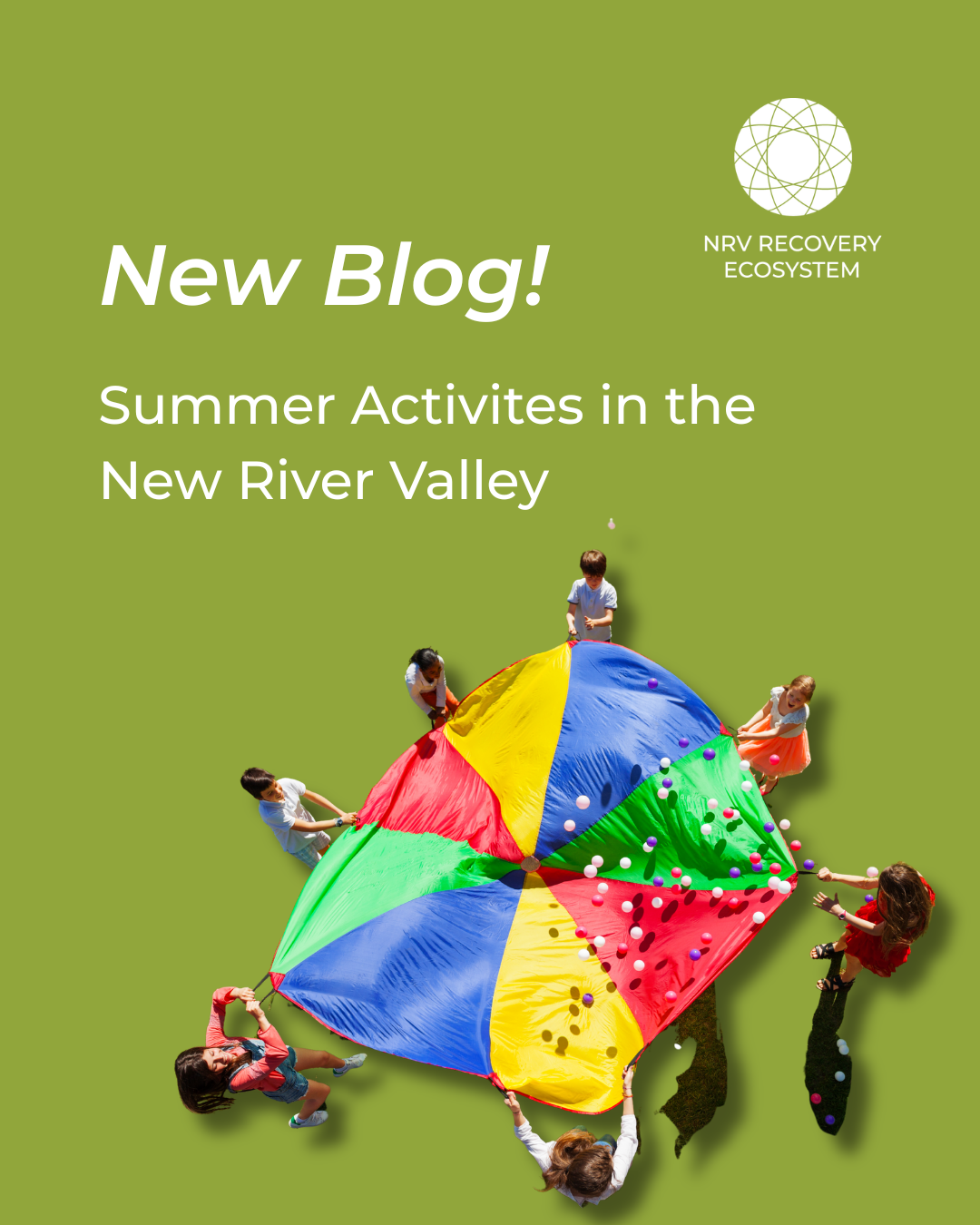
Summer Camps and Activities
Connection for youth in the summer is also an important part of substance use prevention. Research consistently shows that youth who feel connected to their school, community, peers, and safe adults are less likely to engage in risky behaviors. Activities that provide structure, purpose, and a sense of belonging can reduce boredom and isolation, which can become risk factors during summer months.
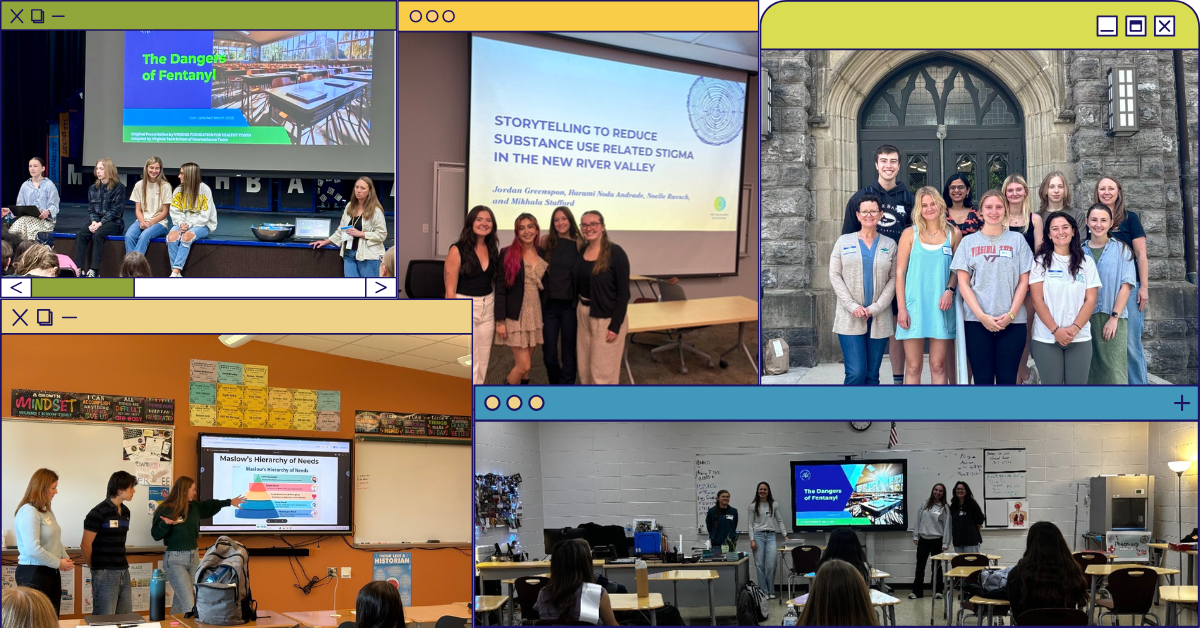
Community Collaborations in the Recovery Ecosystem
Community partnerships play an important role in the Recovery Ecosystem’s work, and collaborations with Virginia Tech and other local school systems have created opportunities to bring fresh ideas and new energy to prevention, education, and recovery efforts across the New River Valley.
National Prevention Week 2026- Celebrating Possibility
May 10-16 is National Prevention Week - a time to showcase local and national efforts to prevent harms associated with substance use and to promote partnership and collaboration throughout our region. This year’s theme, highlighted by the Substance Abuse and Mental Health Services Administration (SAMHSA), is “Celebrating Possibility.”

Resilience Week
Each year since 2020, Resilience Week has been recognized across Virginia as a time to reflect on how people and communities keep going, even when life gets tough. At its core, resilience simply means the ability to adapt and move forward through challenges. Here in the New River Valley, resilience shows up in real, everyday ways.
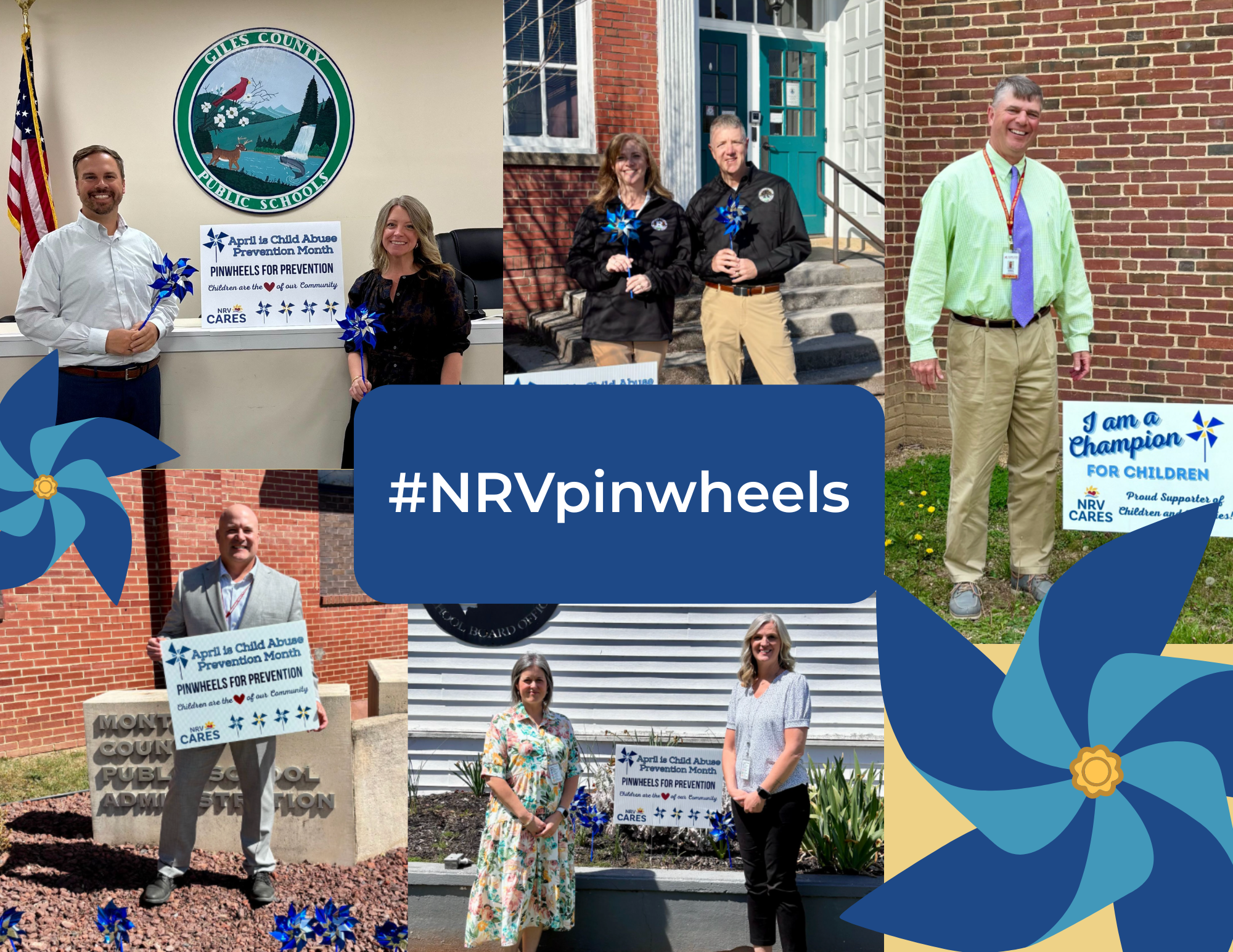
Pinwheels for Prevention
April is National Child Abuse Prevention Month when we raise awareness and take steps to protect the well-being of children and families. Each year, NRV CARES leads the local Pinwheels for Prevention campaign, encouraging our community, organizations, and schools to plant pinwheel gardens as a symbol of the importance of safe, healthy childhoods.

Take a moment for comfort: National Grilled Cheese Day
For a lot of us, this sandwich is nostalgic, it brings back memories of home or someone taking the time to make sure we had something good to eat. That kind of comfort can matter more than we sometimes realize, especially for people in recovery.
National Public Health Week 2026
April 6th-11th is National Public Health Week (NPHW). Every year during the first full week of April, NPHW serves as an opportunity to highlight priority issues in public health and celebrate public health work across the nation.
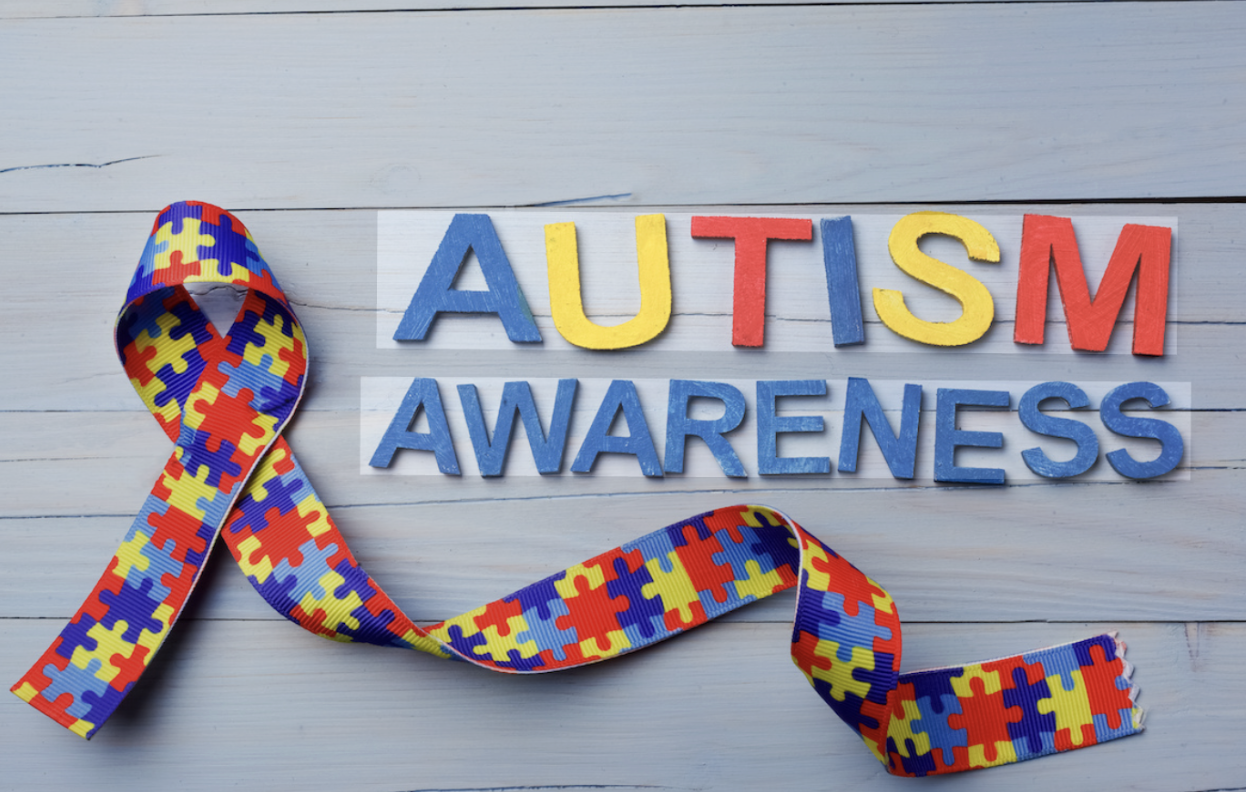
Autism Awareness Day
Autism, Mental Health, and Substance Use World Autism Awareness Day (April 2nd) and Autism Awareness Month (April) were created to increase the understanding of autism and the experiences of individuals on the autism spectrum.
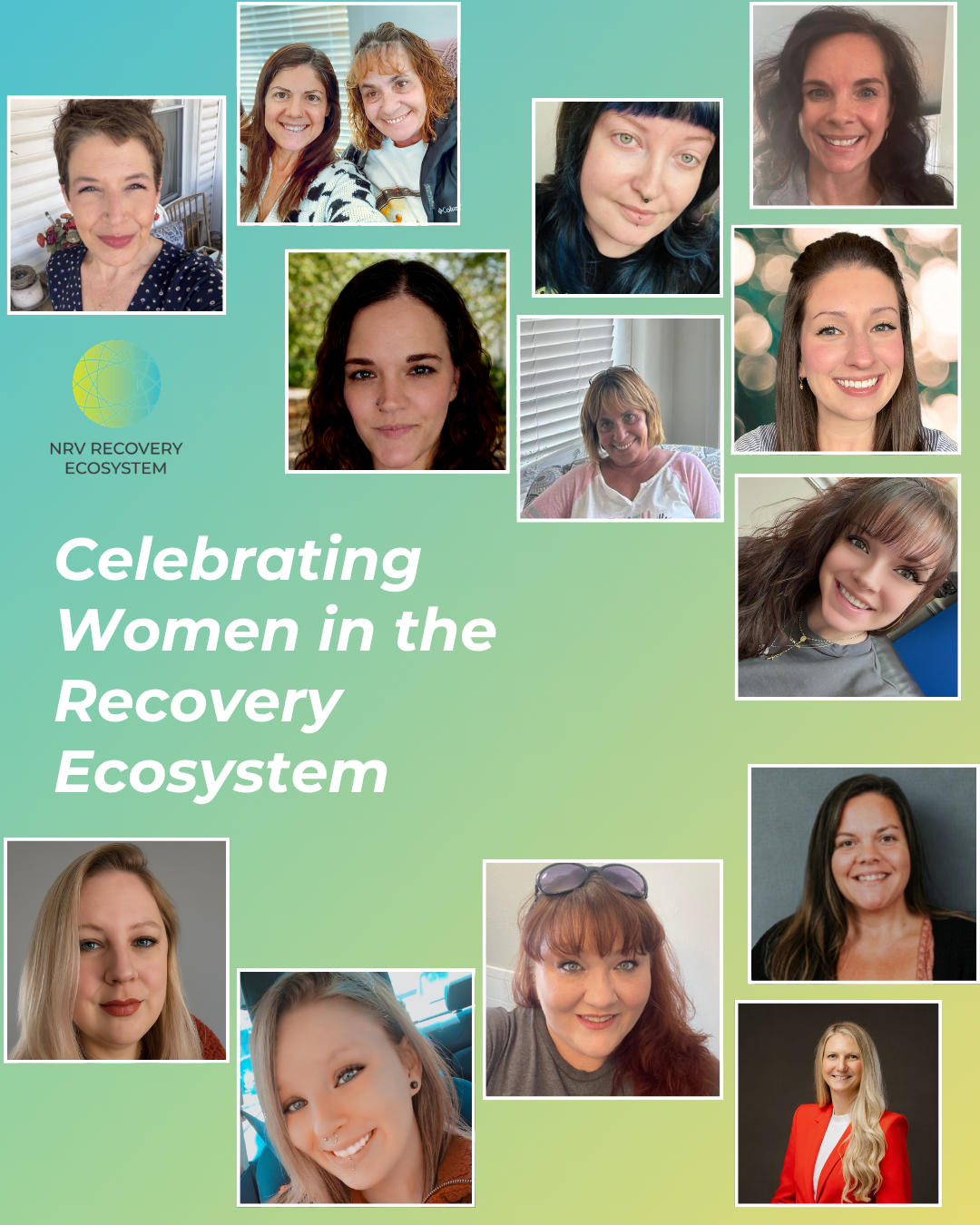
Celebrating Women in the Recovery Ecosystem
March is Women’s History Month- this milestone offers an annual reminder to celebrate and recognize the achievements and strengths of women in our communities. Each year, the National Women’s History Alliance selects a theme to guide conversations and celebrations throughout the month. This year, the theme for Women’s History Month is “Leading the Change: Women Shaping a Sustainable Future.”
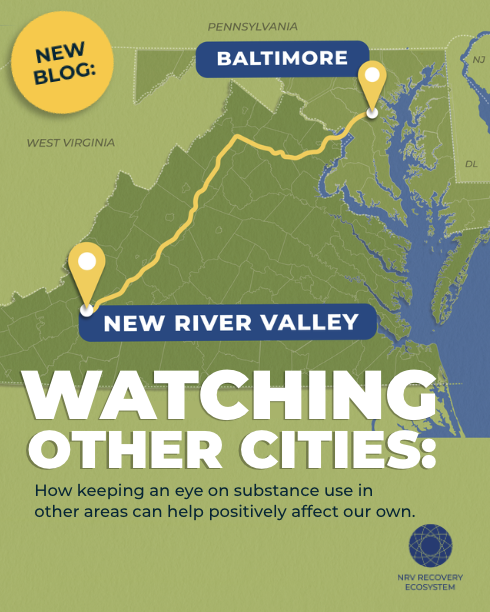
Watching Other Cities Can Help Southwest Virginia
Southwest Virginia is connected to the rest of the country by major highways like I-81 and I-77. These roads don’t just move people around, but they also play a role in how illegal substances move from larger cities into our smaller towns and rural areas. Because of this, changes in the drug supply that start in big cities often reach Appalachian communities later.
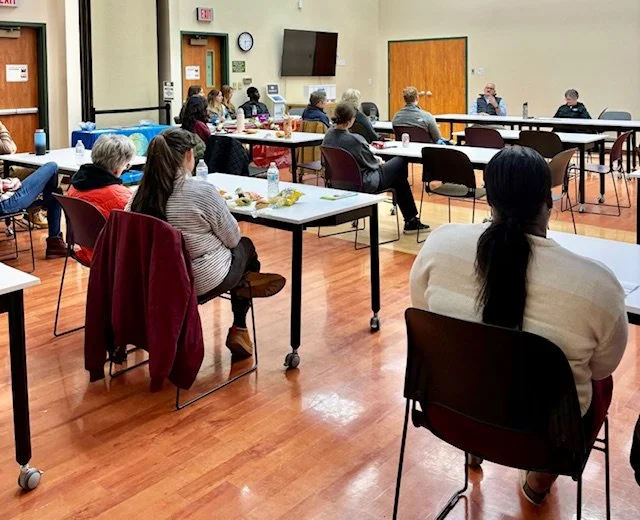
Community forums spark important conversations
Over the past month, Rise Above and community partners in the New River Valley have hosted a series of eight community forums at each of our local libraries. Forums have included panels of healthcare providers, people with lived experience, and people working in the Recovery Ecosystem.
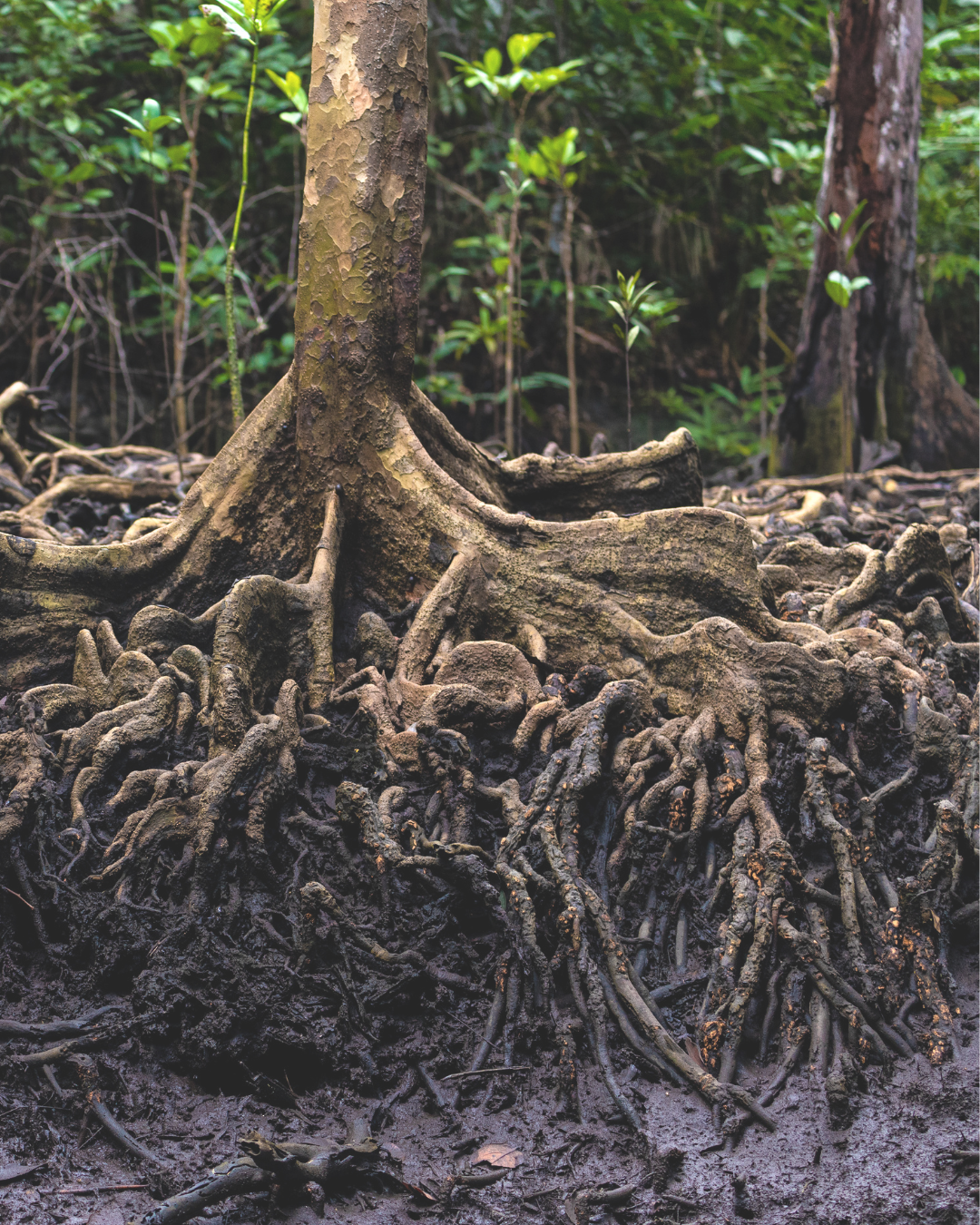
Not Just Another “Drug of the Month”
Conversations about substance use often follow a pattern. A new drug appears, the community is concerned, and the focus quickly turns to stopping that substance before it causes more harm. Over the years, the names have changed: prescription opioids, heroin, fentanyl, xylazine… but the cycle remains the same.
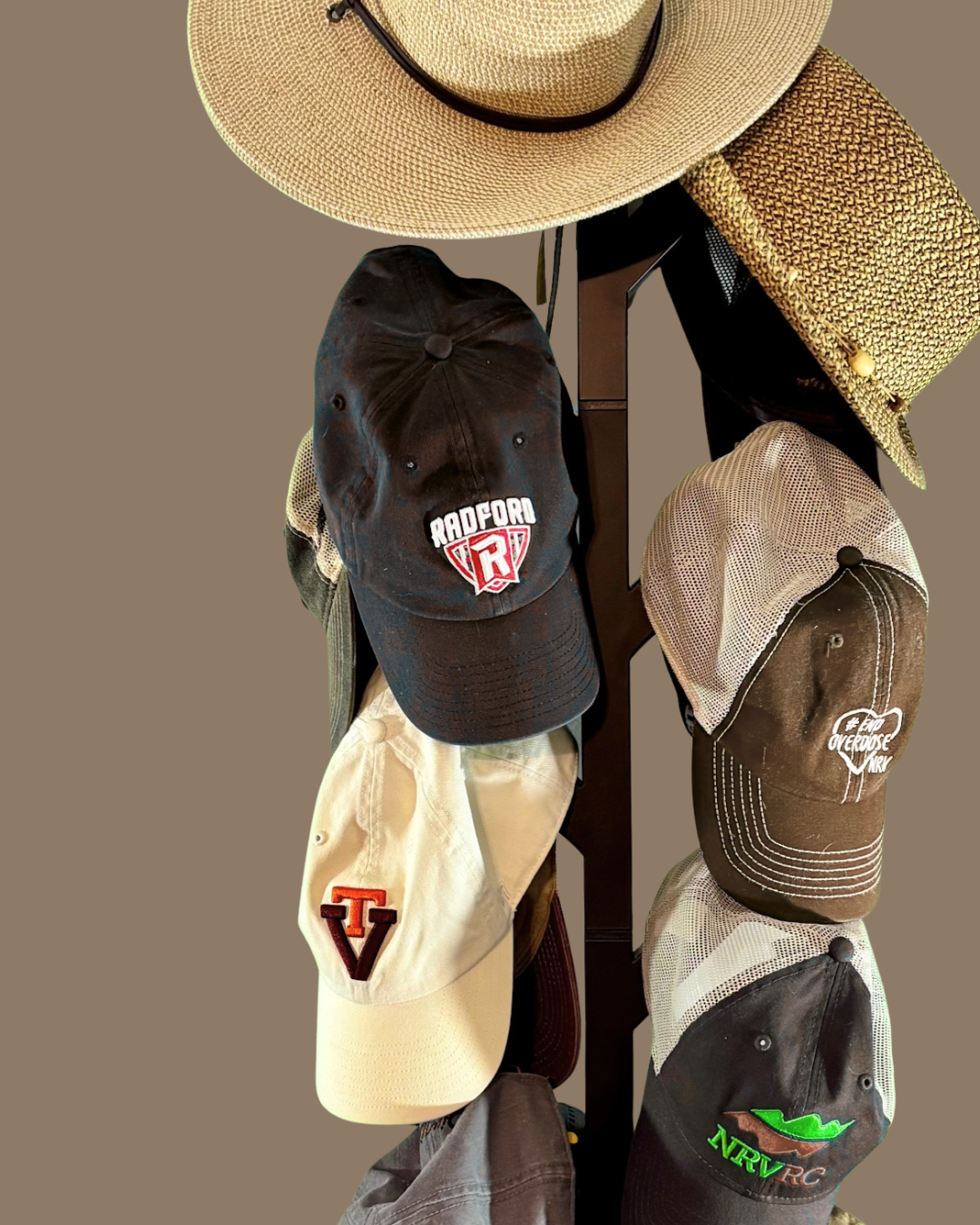
National Hat Day: The Different Hats We Wear
On January 15, we celebrate National Hat Day. Though it is an informal, light-hearted observance, it can symbolize the assistance we can offer our community. Whether it’s a baseball cap, beanie, or fedora, hats tend to say something about who we are or how we’re feeling that day. In that way, National Hat Day offers a fitting metaphor for recovery, whether from substance use, mental health challenges, or both.